Are you ready to embark on an exciting journey into the world of land ownership? Imagine the possibilities of owning a piece of earth that can be transformed into your dream home, a thriving agricultural venture, or a bustling commercial space. The land market is a dynamic arena, and understanding the types of land available for sale is your first step towards making an informed investment.
In this guide, we’ll unravel the mysteries of land types, dive into the critical considerations for buying land, and explore the diverse financing methods available. Whether you’re a seasoned investor or a first-time buyer, this comprehensive overview is designed to empower you with the knowledge you need to navigate the land market with confidence and creativity.
Types of Land for Sale
When embarking on a journey to purchase land, understanding the various types available can be a game-changer. Each type of land serves different purposes and caters to diverse needs.
Whether you’re dreaming of building a new home, starting a farm, or constructing a commercial building, the type of land you choose will be pivotal. Let’s delve into the distinct categories of land to help you make an informed decision.
Urban Land: The Heart of Development
Urban land is primarily situated within the heart of a city or town. This type of land is ideal for residential, commercial, and industrial projects due to its proximity to infrastructure and amenities. Urban land is highly sought after by developers, investors, and individuals looking to build homes in vibrant settings.
Rural Land: The Tranquil Retreat
Rural land offers vast expanses of untouched nature, making it perfect for those seeking a peaceful lifestyle. This type of land is often used for building country homes, villas, or small-scale farming. Buyers are usually individuals or families wanting to escape the hustle and bustle of urban life.
Agricultural Land: The Bedrock of Sustenance
Agricultural land is dedicated to farming, livestock, and horticulture. It is primarily purchased by farmers, agricultural companies, and investors interested in the food production industry. The fertility of this land is crucial for its intended purpose.
Commercial Land: The Business Frontier
Commercial land is earmarked for business ventures such as retail, offices, and service industries. Entrepreneurs, corporations, and real estate developers are typical buyers, eager to capitalize on strategic locations to drive business growth.
| Land Type | Typical Uses | Common Buyers |
|---|---|---|
| Urban | Residential, Commercial, Industrial | Developers, Investors, Home Builders |
| Rural | Country Homes, Small Farms | Individuals, Families, Nature Enthusiasts |
| Agricultural | Farming, Livestock, Horticulture | Farmers, Agricultural Companies, Investors |
| Commercial | Retail, Offices, Service Industries | Entrepreneurs, Corporations, Developers |
Understanding the types of land is crucial for choosing the right investment. Each type serves a unique purpose and attracts a distinct group of buyers.
Key Considerations When Buying Land
Embarking on the journey of purchasing land is both thrilling and filled with potential. However, this pivotal investment demands thoughtful consideration to ensure a fruitful venture.
Before diving into the purchase, it’s crucial to arm yourself with a comprehensive understanding of the factors that can make or break your land acquisition dreams. From environmental impacts to zoning laws, being informed is your key to success.
Environmental and Topographical Factors
Understanding the environmental and topographical characteristics of the land is vital. These elements can significantly influence the usability and value of the property. Consider factors such as soil type, elevation changes, and the presence of natural resources. Additionally, assess any potential natural hazards like flood zones or erosion areas that could impact development plans.
Here’s a checklist to guide your evaluation:
- Inspect soil quality and drainage.
- Check for flood zone designations.
- Evaluate existing vegetation or wildlife habitats.
- Analyze sun exposure and wind patterns.
Zoning and Land Use Regulations
Before sealing any deals, dive into the zoning laws and land use regulations governing the area. These regulations determine what can and cannot be built, impacting your plans. Whether you envision a residential oasis or a commercial hub, zoning classifications can either pave the way or pose obstacles.
Engage with local planning offices to understand current and future zoning plans.
“Zoning laws are the invisible builders of our landscapes.”
Ensure the land aligns with your intended use and future aspirations.
Financing Options for Land Purchase
Venturing into the world of land ownership is a thrilling endeavor, presenting both opportunities and challenges. One critical aspect is determining the best way to finance your purchase.
With several options available, from traditional loans to creative financing and government assistance, understanding the nuances of each can empower you to make a sound investment.
Traditional Loans: A Common Approach
Traditional loans are perhaps the most recognized method for financing land purchases. These loans, typically offered by banks and credit unions, often require a significant down payment and a good credit score. Unlike home mortgages, land loans can come with higher interest rates and shorter repayment terms due to the perceived risk. It’s crucial to compare different lenders to secure the best terms.
Owner Financing: A Flexible Alternative
For those seeking flexibility, owner financing can be an excellent option. Here, the seller acts as the lender, allowing the buyer to make monthly payments directly to them. This can simplify the process and allow for negotiable terms without involving traditional financial institutions. However, buyers should ensure that all terms are clearly documented to avoid potential disputes.
Government Programs: Assistance for New Buyers
Various government programs exist to aid those looking to purchase land, especially in rural or underserved areas. Loans and grants may be available through agencies such as the USDA or the FHA, offering competitive rates and terms. These programs are designed to support development and can be a boon for first-time buyers or those investing in agriculture.
| Financing Option | Pros | Cons |
|---|---|---|
| Traditional Loans |
|
|
| Owner Financing |
|
|
| Government Programs |
|
|
Understanding the intricacies of each financing option not only paves the way for a successful purchase but also ensures long-term satisfaction with your investment.
Legal Aspects of Land Acquisition
Diving into the world of land acquisition requires more than just a keen eye for potential; it demands a thorough understanding of its legal intricacies. Navigating these waters with diligence ensures a smooth and secure purchase.
The legal process of acquiring land involves several critical steps that protect buyers and sellers alike. From ensuring clear title deeds to conducting detailed surveys, each phase plays a vital role in the seamless transfer of ownership.
Understanding Title Deeds, Surveys, and Land Registration
The cornerstone of any land transaction is the title deed, which serves as the legal document confirming ownership. Before any purchase, it’s crucial to verify the legitimacy of the title deed through a comprehensive title search. This process uncovers any encumbrances or claims on the property, safeguarding your investment from potential disputes.
Equally important is conducting a land survey, which precisely measures and maps the property. This step not only confirms the land boundaries but also identifies any potential issues like encroachments that could affect future development plans.
Once these aspects are confirmed, the final step is land registration. This legal process officially records the transfer of ownership with the appropriate government authorities, ensuring your rights to the property are recognized.
Guidelines for Working with Real Estate Attorneys
Engaging a seasoned real estate attorney can make the intricate process of land acquisition significantly smoother. They bring a wealth of knowledge to the table, guiding you through every legal step and ensuring all documents are thoroughly reviewed and compliant with local regulations.
- Seek attorneys with specialized experience in real estate and land transactions.
- Ensure clarity in communication, outlining the scope of services and fees.
- Utilize their expertise for drafting and reviewing contracts, ensuring all terms are favorable and transparent.
“A knowledgeable attorney is your best defense against unforeseen legal hurdles in land acquisition.”
Working with professionals not only simplifies the process but also provides peace of mind, knowing all legal bases are covered. With the right guidance, you can confidently navigate the complexities of land acquisition.
Environmental and Zoning Regulations
When it comes to purchasing land, the landscape of environmental and zoning regulations is an intricate path that every potential buyer needs to navigate. These regulations significantly influence what can and cannot be done with a piece of land, shaping the dreams and realities of land ownership.
Understanding the impact of these rules is crucial for making informed decisions. Not only do they affect the immediate usage of the land, but they also have long-term implications for its value and potential developments. Let’s delve into how these regulations can affect your land purchase journey.
The Power of Environmental Laws on Land Use
Environmental laws are designed to protect our natural world, but they also impose restrictions on land use. These laws can dictate what kind of developments are permissible, especially when dealing with wetlands, endangered species habitats, or areas susceptible to pollution. For example, suppose you’re eyeing a picturesque piece of land near a water body. In that case, environmental regulations might restrict construction activities to safeguard the ecosystem.
Consider the case of a buyer who purchased land with the intent to build a commercial complex, only to find that it was located in a protected habitat. The realization led to a halt in development and a shift to a conservation-focused strategy, illustrating the profound impact of environmental regulations on land use.
Zoning Classifications and Their Implications
Zoning classifications can be seen as the invisible architects of our communities, quietly dictating the form and function of land. These classifications determine whether land can be used for residential, commercial, agricultural, or industrial purposes. Knowing the zoning classification of a piece of land is essential for buyers, as it can either unlock or constrain your dream project.
- Residential Zoning: Permits housing developments, ranging from single-family homes to large apartment complexes.
- Commercial Zoning: Allows for businesses, retailers, and sometimes mixed-use developments.
- Agricultural Zoning: Focuses on farming activities and limits urban development.
- Industrial Zoning: Reserved for manufacturing and industrial activities, often away from residential areas.
For instance, a buyer interested in establishing a retail space must ensure the land is zoned commercially, or they risk facing legal hurdles and potential project shutdowns. Such was the case in a suburban area where a planned shopping center had to be reimagined as residential units due to zoning limitations.
Zoning Regulation Effects Demonstrated
Zoning regulations are not just about limitations; they play a strategic role in community planning and growth. For example, a recent case study involved a growing tech company that wished to expand its operations into a suburban area. The land was initially zoned for agricultural use, causing the company to lobby for a zoning change. This process highlighted the complex but essential nature of zoning regulations, as the company had to demonstrate how the change would benefit the local economy and infrastructure.
Such examples underscore the importance of conducting thorough research and engaging with local authorities to fully understand zoning implications before purchasing land. As noted,
“Zoning is not just about restrictions; it’s about creating harmony between land use and community goals.”
Future Trends in Land Investment
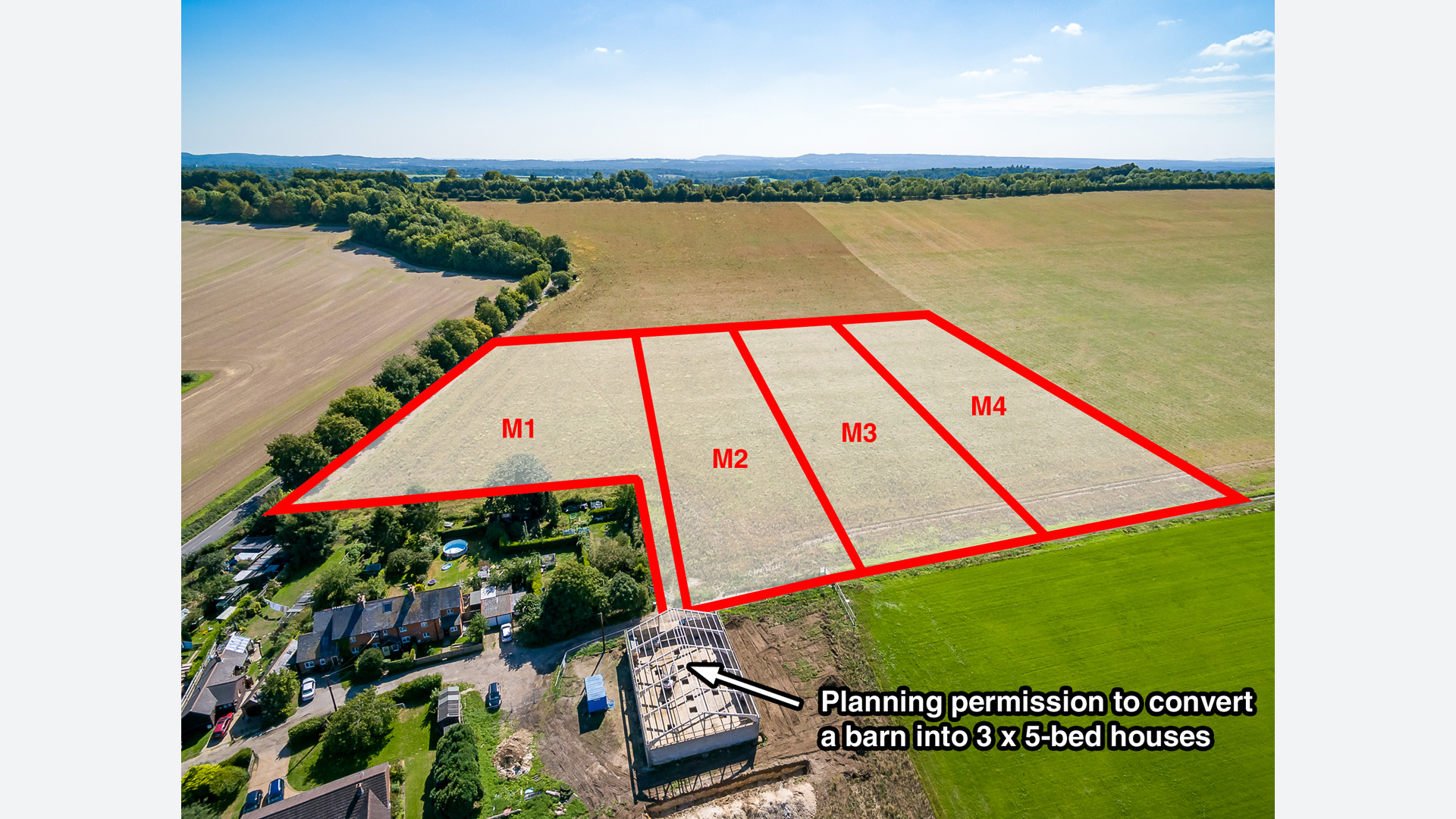
As we look to the horizon of land investment, it’s crucial to understand the emerging trends that are shaping this dynamic market. These trends are not just changing the landscape for today’s investors but are setting the stage for tomorrow’s opportunities.
In an era where technology and sustainability are driving forces, the value of land is being influenced in unprecedented ways. Investors need to be aware of how these factors can impact land prices and the future of land acquisition.
Technological Advancements Transforming Land Value
Technology is a game-changer in the realm of land investment. From smart agriculture to blockchain in real estate transactions, technology is streamlining processes and increasing land efficiency. For instance, precision farming technologies are enhancing agricultural yield, thereby increasing the value of farmland. Furthermore, the rise of blockchain is making land transactions more transparent, secure, and efficient.
Moreover, the proliferation of remote work is reshaping demand for rural and suburban lands as more individuals seek areas with better quality of life, away from urban centers. This shift is expected to drive up land values in these regions.
Impact of Sustainability on Land Prices
Sustainability is no longer just a buzzword; it’s a critical consideration in land investment. With growing awareness of environmental issues, eco-friendly developments are becoming more desirable. Land that supports sustainable practices, like solar farms or wind generation, is increasing in demand. Additionally, properties that adhere to green building standards often command higher prices due to their reduced environmental impact and long-term cost savings.
Urban areas are also seeing a transformation with the rise of green spaces which not only improve quality of life but also significantly enhance property values. The integration of these spaces is a testament to the enduring value of sustainability in land investment.
Future Trends and Their Potential Impacts
To help investors navigate the future landscape of land investment, the following table highlights key trends and their potential impacts on land prices:
| Future Trend | Potential Impact on Land Prices |
|---|---|
| Smart Agriculture Technologies | Increases in agricultural land value due to higher efficiency and yield. |
| Blockchain in Real Estate | Enhanced transparency and security, potentially leading to increased investor confidence and land value. |
| Remote Work Migration | Rising demand and prices for rural and suburban lands. |
| Eco-friendly Developments | Higher valuation of lands supporting sustainable and renewable energy projects. |
| Green Urban Spaces | Increased property values due to enhanced community appeal and environmental benefits. |
“Land is the only thing in the world that amounts to anything, for ’tis the only thing in this world that lasts, ’tis the only thing worth working for, worth fighting for — worth dying for.” – Margaret Mitchell
Final Thoughts
The world of land investment is a vast landscape of opportunity waiting to be explored. With the right knowledge and resources at your disposal, you can make strategic decisions that align with your goals and dreams. Embrace the future of land ownership with confidence, knowing that you’re equipped to tackle any challenge and seize every opportunity that comes your way.

